
Living on the coast means near‑constant exposure to reflected light — off the water, the sand, even the sidewalk. It’s part of why we love it here, and part of why sunscreen isn’t optional for anyone who calls Myrtle Beach or Pawley’s Island home. Yet it remains one of the most misunderstood steps in a skincare routine.
As clinicians, we see the long‑term effects of unprotected sun exposure every day: premature fine lines, uneven pigmentation, broken capillaries, and — most seriously — an elevated risk of skin cancer. The good news is that consistent, correctly applied SPF is one of the simplest, most effective things you can do for your skin’s long‑term health.
UVA vs. UVB: Know What You’re Protecting Against
Ultraviolet light reaches your skin in two primary wavelengths. UVB rays are the ones responsible for sunburn — they’re more intense in summer and at midday. UVA rays are present year‑round, penetrate deeper into the skin, and are the primary driver of premature aging and pigmentation. A “broad‑spectrum” sunscreen is formulated to guard against both.
“The best sunscreen is the one you’ll actually wear every single day — reapplication matters more than the SPF number on the bottle.”
Building a Habit That Sticks
Most people don’t skip sunscreen because they don’t believe in it — they skip it because their routine makes it easy to forget. A few adjustments make consistency far easier:
- Keep a travel‑size SPF in your bag, car, and desk — friction is the enemy of habit.
- Choose a formula suited to your skin type, so it doesn’t feel like a chore to apply.
- Set a midday reminder for reapplication, especially if you’re outdoors.
- Layer SPF as the final step of your morning routine, after moisturizer.
What to Look for on the Label
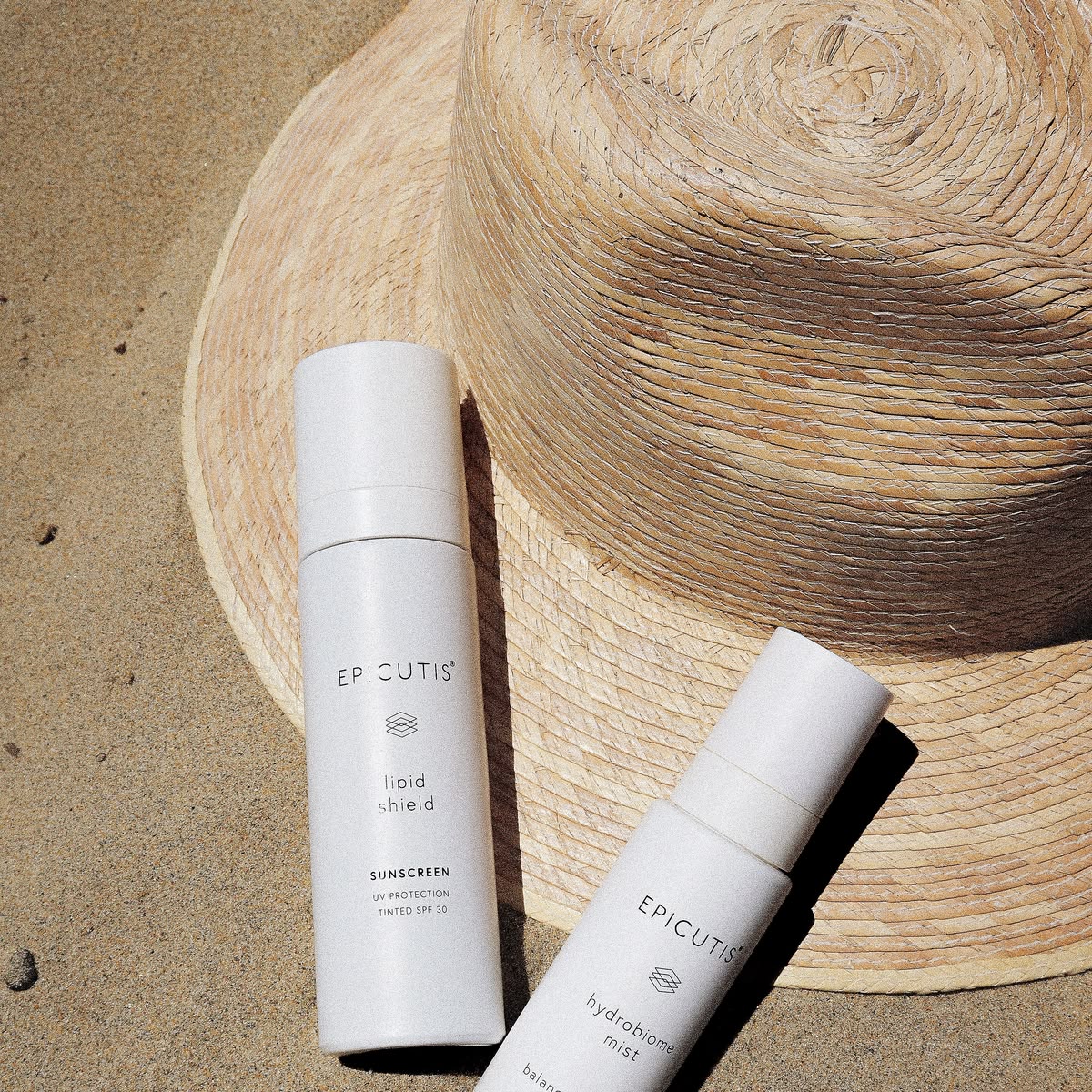
Not all sunscreens are created equal. At minimum, look for “broad‑spectrum” on the label along with an SPF of 30 or higher. If you have sensitive or acne‑prone skin, a mineral formula (zinc oxide or titanium dioxide) is often gentler than a chemical one. And remember: the best sunscreen is genuinely the one you’ll wear every day, at the correct amount, without fail.
If you’re not sure which formula suits your skin, it’s a simple thing to bring up at your next visit — we’re always happy to talk through options during a consultation.